Learn how AI replace traditional jobs, which careers are at risk, and what students should do to stay future-ready in the AI era.
Artificial Intelligence (AI) is growing rapidly and changing the way people work across the world.’ From chatbots to automation tools, AI is now being used in companies, schools, hospitals, and even small businesses. Because of this, one common question students have today is: Can AI replace traditional jobs?
The simple answer is — AI will not replace all jobs, but it will definitely change how jobs work. Students need to understand this shift early so they can prepare for a secure and successful future.
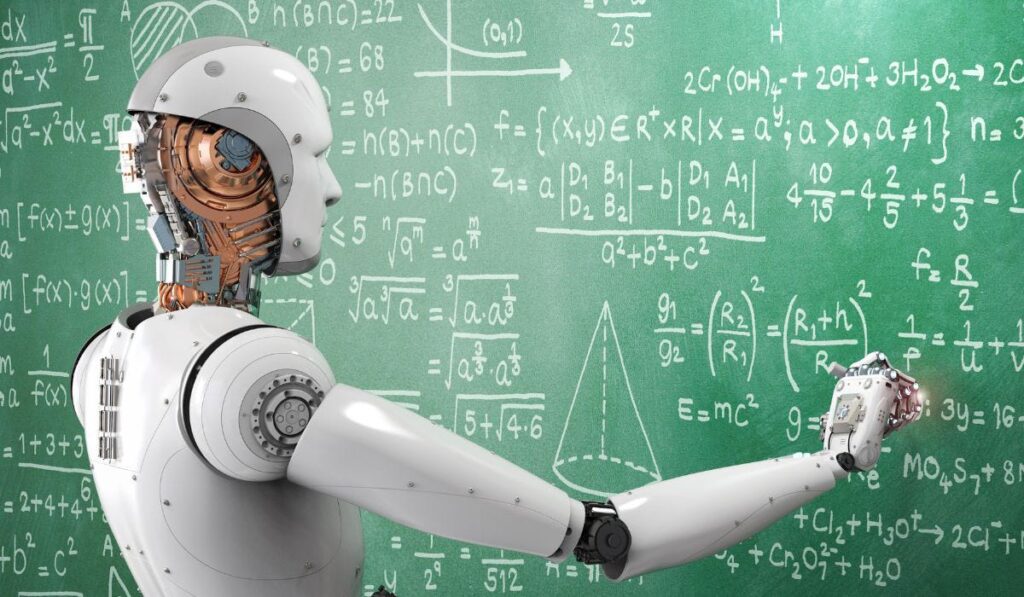
What is AI and Why AI replace traditional jobs?
AI refers to smart computer systems that can perform tasks which normally need human thinking, such as writing, analyzing data, answering questions, or managing processes.
Companies are using AI because it helps them:
- Save time
- Reduce costs
- Work faster and more accurately
- Handle repetitive tasks easily
This is why AI adoption is increasing in every industry.
Which Traditional Jobs Are Most Affected by AI?
AI mainly replaces tasks that are repetitive and rule-based. Some job areas where automation is growing include:
- Data entry work
- Basic customer support
- Simple accounting tasks
- Telecalling and support roles
- Routine factory work
But this does NOT mean these careers will disappear completely. Instead, the nature of work will change.
For example, customer support jobs now need people who can manage complex cases, not just answer basic questions.
Jobs That AI Cannot Replace Easily
AI is powerful, but it still cannot replace human creativity, emotions, and decision-making skills. Careers that are safer include:
- Teaching and education
- Healthcare services
- Creative fields (design, writing, content creation)
- Management and leadership roles
- Skilled technical professions
These jobs need human understanding, problem-solving, and personal connection.
What Students Should Do to Stay Safe in the AI Era
Instead of fearing AI, students should learn how to grow with it. The future belongs to those who adapt.
- Learn Digital Skills
Basic computer knowledge is no longer enough. Students should explore:
- AI tools
- Data handling
- Online platforms
- Digital communication
- Choose Future-Ready Courses
Courses related to technology, management, and skill-based education will have more demand in coming years.
- Improve Soft Skills
Communication, creativity, and leadership are human strengths that machines cannot copy easily.
- Keep Learning Continuously
The job market is changing fast. Students must keep upgrading their knowledge through certifications, online learning, and practical experience.
Is AI a Threat or an Opportunity?
AI is not just replacing jobs — it is also creating new career opportunities like:
- AI operator
- Digital marketing expert
- Data analyst
- Content strategist
- Tech support specialist
So the real question is not “Will AI take jobs?”
The real question is “Are students ready for the new type of jobs?”
Many international experts believe that AI will not only replace some tasks but also generate new job roles. This research-based report explains the real impact of AI on employment:
Why Career Planning Matters More Than Ever?
In today’s time, making the right education and career choice after 12th is very important. Students should focus on:
- Skill-based learning
- Career-oriented courses
- Practical training
- Industry-relevant education
This helps them stay competitive in a fast-changing world.
How AI replace traditional jobs and Learning.
Artificial Intelligence is not only changing jobs but also transforming the way students learn. Today, many educational platforms use AI to provide personalized learning experiences. Students can now learn at their own speed, get instant answers, and improve their skills using smart tools.
AI helps in:
- Online learning recommendations
- Smart study plans
- Career guidance tools
- Resume building assistance
Because of this, students who understand technology early get an advantage over others.
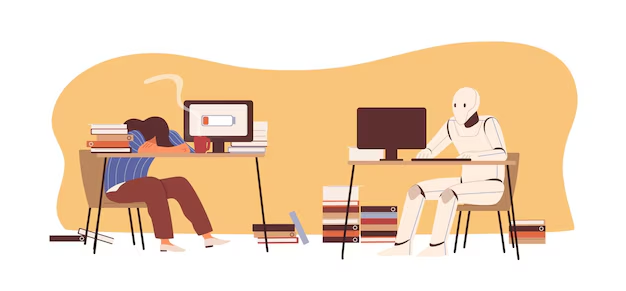
The Importance of Skill-Based Education in the AI Era
In today’s competitive world, degrees alone are not enough. Companies now look for practical skills along with academic qualifications. This is why skill-based education is becoming more important than ever.
Learning computer courses, communication skills, and job-oriented training can help students stay ahead in the changing job market. AI may automate basic tasks, but skilled professionals will always be in demand.
Students should focus on:
- Computer knowledge
- Practical training
- Industry-relevant skills
- Continuous learning
These skills make students more employable and future-ready.
Career Options That Will Grow in the Future
While AI replace traditional jobs, it will also create new career paths. Students should focus on areas that will grow in the coming years, such as:
- Information Technology
- Digital Marketing
- Data Handling
- Web Development
- Business Management
- Healthcare Support
These fields are expected to grow because they combine human intelligence with technology.
Final Advice for Students
Instead of worrying about whether AI replace traditional jobs, students should focus on preparing themselves for the future. The best way to stay safe is to keep learning new skills, stay updated with technology, and choose career-focused education.
Students who adapt to change will always find opportunities. AI is not here to stop careers — it is here to change the way careers work. Those who understand this early will have a strong and successful future.
Conclusion
AI is definitely transforming traditional jobs, but it is not the end of career opportunities. It is simply a shift toward smarter work and better skills.
Students who stay updated, learn new technologies, and focus on skill development will always have strong career options. Instead of being afraid of AI, the smart step is to understand it and grow along with it.
The future belongs to those who are ready to learn, adapt, and move forward with change.
Students who want to stay ahead in the AI era should focus on skill-based education and practical computer training programs.